
Key Takeaways
- Business consulting market insights sit at the heart of every high-impact strategic engagement.
- Management consulting research replaces guesswork with evidence that clients can act on.
- Understanding consumer behavior is not a preliminary step; it is the ongoing foundation of successful advisory work.
- Insights-driven consulting shortens decision cycles, reduces launch risk, and measurably improves client ROI.
- The consulting advisory process works best when MR integration happens at every phase, not just at the start.
- Impact assessment turns consulting recommendations from promises into provable outcomes.
Introduction
Most consultants walk into the boardroom with opinions. The best ones walk in with proof.
Did You Know?
According to McKinsey Global Institute, organizations that actively use consumer analytics are 23 times more likely to outperform their competitors in new customer acquisition, and 9 times more likely to surpass them in customer loyalty. That is not a marginal edge. That is a structural advantage.
In today’s market, clients expect more than well‑designed slide decks. They expect decisions backed by real data. That is exactly where business consulting market insights become the defining difference between advice that sounds good and advice that actually works. When consultants combine deep management consulting research with structured market intelligence from NitiGlobal, they deliver strategies that are grounded, credible, and built to perform.
This guide explains how market research fuels stronger consulting outcomes, from understanding consumer behavior and designing better surveys to building robust consulting frameworks, running meaningful impact assessments, and integrating research at every stage of the strategic business advisory process. Whether you are a strategy manager at a large enterprise, a startup co‑founder validating your first product, or a boutique consulting firm sharpening your deliverables, this resource is designed for you.
Table of Contents
- Key Takeaways
- Introduction
- Why Market Insights Are the Backbone of Modern Business Consulting
- How to Build a Consulting Framework Powered by Market Research
- Ready to transform your client's next engagement?
- Why Is Understanding Consumer Behavior Key to Business Growth?
- How to Run a Market Research Survey That Gets Actionable Insights
- Stop delivering data reports. Start delivering strategic clarity.
- Advanced Analytics and MR Integration in the Advisory Process
- Impact Assessment: Measuring the Real Value of Insights-Driven Consulting
- Your Insight Is Only as Strong as the Data Behind It – Make It Count
- Frequently Asked Questions
Why Market Insights Are the Backbone of Modern Business Consulting
There was a time when a well-credentialed consultant with a proven framework could walk into any boardroom and command authority. Those days are over. Today’s clients are informed, data-literate, and skeptical of recommendations that are not backed by primary evidence. If your strategic business advisory work is still driven primarily by experience and instinct, you are already behind.
Market insights are not a support layer to consulting; they are the load-bearing structure.
Here is why.
The Shift From Intuition-Based to Insights-Driven Consulting
The consulting industry built its early authority around frameworks such as Porter’s Five Forces, the BCG Matrix, and McKinsey’s 7‑S Model. These tools remain useful, but a framework without data is a map without terrain. It tells you what to think about, not what decision to make.
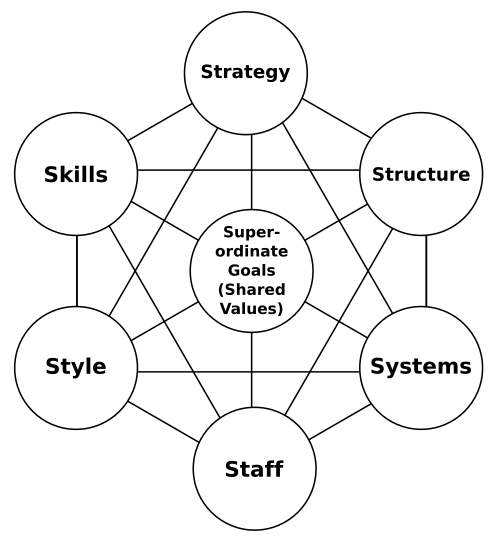
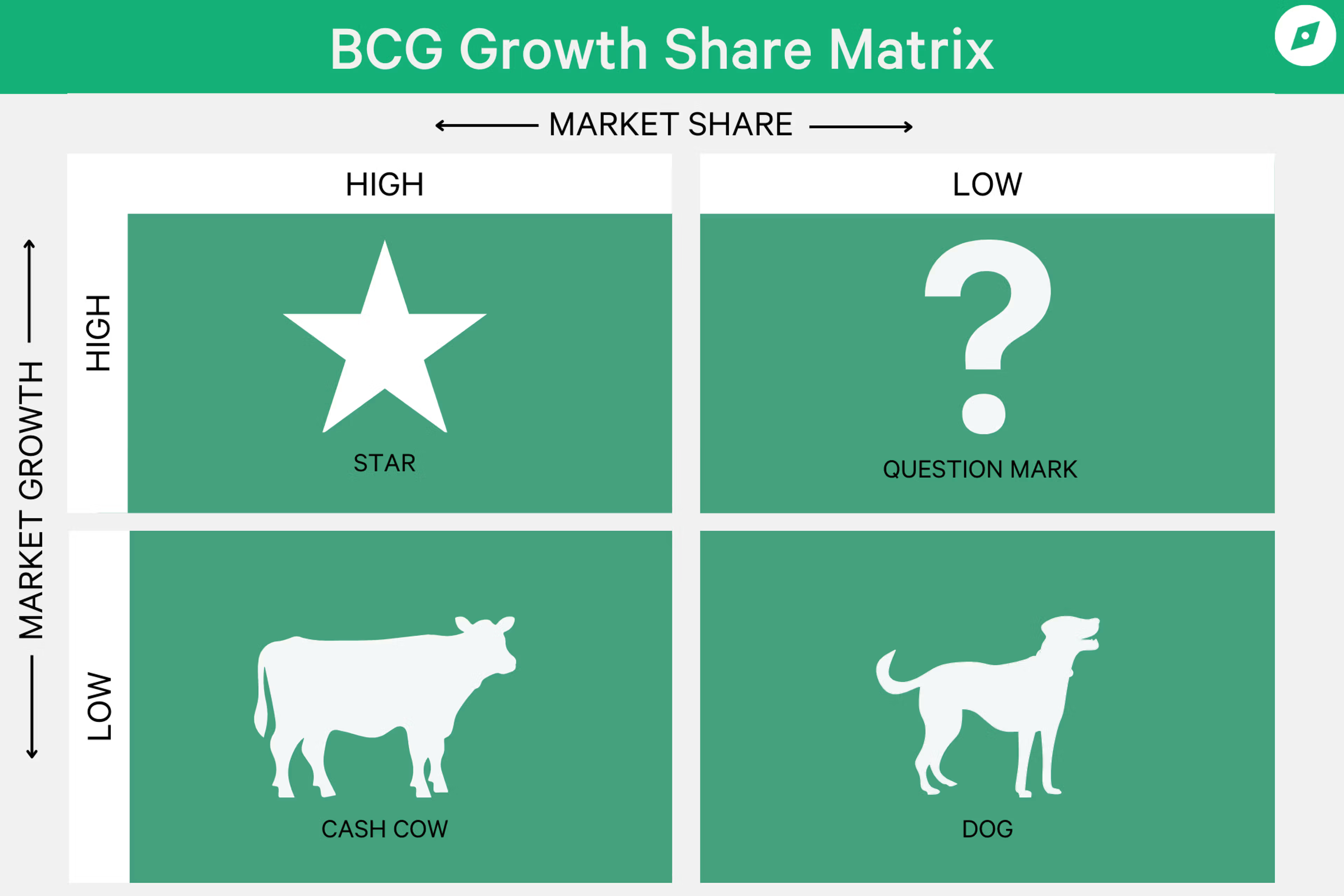
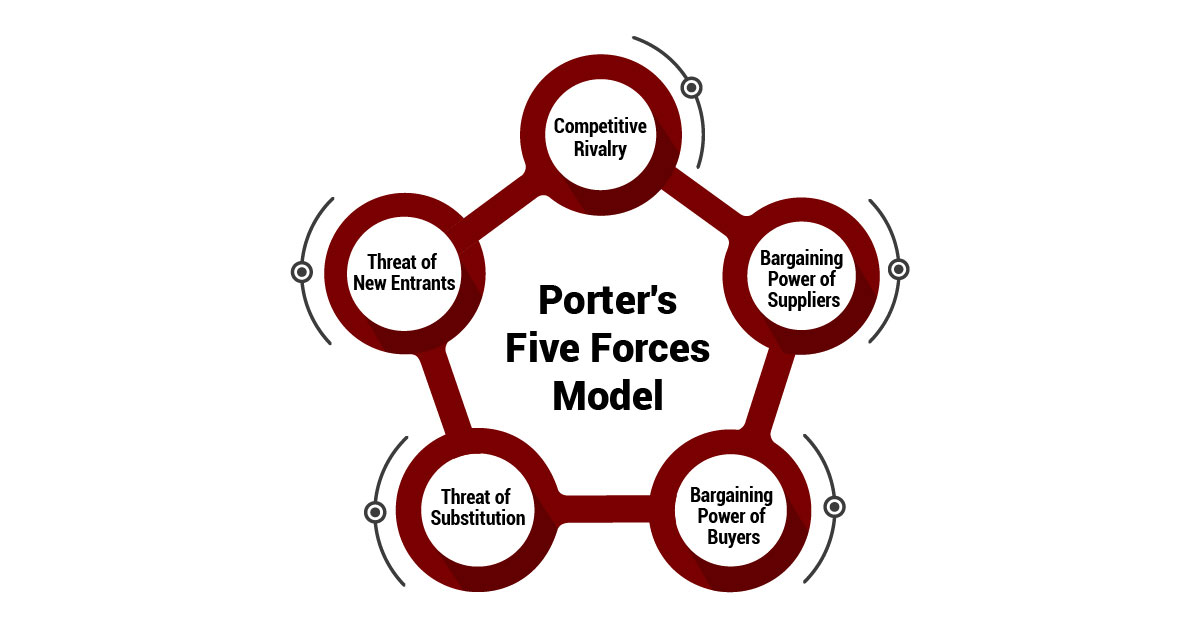
Insights‑driven consulting changes that approach. It starts with structured inquiry, defining the business question, designing the right research, collecting real data, and then applying frameworks to interpret what the data is actually saying.
As W. Edwards Deming famously noted, “Without data, you’re just another person with an opinion.” In consulting, opinions without evidence cost trust, clarity, and sometimes entire business initiatives.
What Types of Market Insights Matter Most for Consultants
Not all market intelligence is equally useful for consulting work. The insights that move the needle are the ones that directly inform the client’s decisions. Based on NitiGlobal’s work across 10+ industries and 50+ projects, here are the categories that matter most:
- Consumer segmentation and clustering data: who your client’s audience really is, broken into actionable groups
- Brand health and perception tracking: how the market sees your client’s brand, and where it is gaining or losing ground.
- Usage and attitude (U&A) studies: how customers actually behave versus how they say they behave (these often differ significantly)
- Competitive intelligence: drawn from retail audits and mystery shopping, showing how rivals perform at the point of customer interaction
- Market feasibility data: validating whether an opportunity is real before a client commits budget to pursue it
The Cost of Consulting Without Insight – A Reality Check
According to CB Insights, 42 percent of startups fail because there is no real market need. This is not just a startup issue. The same research gaps appear in enterprise consulting when strategies target nonexistent demand or unready audiences.
The solution is not more experience. It is better data. NitiGlobal’s research methodology uses online panels, telephone interviews, face‑to‑face discussions, and retail audits to turn risky assumptions into defensible strategies.
How to Build a Consulting Framework Powered by Market Research
A consulting framework without research is like a blueprint without measurements. It gives you a general shape, but none of the precision needed to actually build something. If your management consulting research process begins after you have already formed a recommendation, you are not using research; you are using it to decorate a conclusion you had already reached. Here is how to genuinely embed market intelligence into the advisory process from the start.
The Define and Design Phase: Start With the Right Questions
NitiGlobal begins every engagement with a Define and Design phase. Research objectives, questionnaires, and sampling plans are co‑created with client stakeholders.
Before a single question is written, the consulting team needs to agree on:
- The specific business decision the research is designed to inform (not just “understand the market”, but “decide whether to launch in Mumbai or Pune first”)
- The KPIs that will be used to evaluate the success of the recommendation post-implementation
- The methodology mix: quantitative for scale and statistical confidence, qualitative for depth and ‘why’ answers
- The sample composition: who needs to be in the research for it to reflect the actual target market
This approach ensures the advisory process is grounded from day one.
Data Collection Methods That Feed a Strong Consulting Engagement
NitiGlobal executes data collection across multiple modes, depending on what the consulting question demands. Understanding which method to use, and when is itself a consulting skill. Here is a practical breakdown:
- Consumer and B2B Surveys: for scaling attitudinal data across large, representative samples quickly
- Focus Group Discussions (FGDs): for collective perception, emotional resonance, and exploratory discovery
- In-Depth Interviews (IDIs): for individual motivations, nuanced behavior patterns, and expert perspectives
- Retail Audits: for measuring in-store performance, product visibility, and compliance across retail channels
- Mystery Shopping: for evaluating real customer experience at the point of interaction, without bias
The strongest engagements combine methods to triangulate insights that withstand scrutiny.
Translating Raw Data Into Strategic Recommendations
Data becomes valuable only when translated into action. Strong analysis converts raw information into focused, prioritized recommendations supported by quality controls and transparent dashboards.
The outcome is not a data report. It is a clear strategic direction a boardroom can confidently approve.
Ready to transform your client's next engagement?
Why Is Understanding Consumer Behavior Key to Business Growth?
This is one of the most common questions in strategic business advisory, and the honest answer is that most businesses understand their customers far less than they think they do. They know what customers buy. They rarely know why. And the ‘why’ is where growth happens.
Consumer behavior research moves beyond purchase data to study the psychological, cultural, and social factors that drive decisions. According to Harvard Business Review, companies that prioritize customer insights and consumer understanding consistently outperform competitors in both revenue growth and customer retention. NitiGlobal’s consumer behavior and journey mapping work is built on exactly this principle.
Consumer Journey Mapping
Journey mapping, when built on primary research, reveals friction points, emotional drivers, and experience gaps throughout the customer lifecycle. It enables consultants to identify where customers drop off, what drives loyalty, and where the brand promise breaks.
Usage and Attitude Studies
U&A studies reveal discrepancies between claimed and actual behavior. These insights often challenge long‑held assumptions.
Real‑World Illustration: A consumer goods brand blamed price for declining sales. Research revealed packaging inconvenience as the real barrier. A redesign, rather than discounts, led to an 18 percent sales uplift within two quarters.
Persona Development
Segmentation becomes actionable when translated into personas. NitiGlobal’s persona development delivers research‑validated profiles with motivations, barriers, and decision styles that guide product, pricing, and communication strategies.
How to Run a Market Research Survey That Gets Actionable Insights
Business consulting engagements live or die by the quality of the research that feeds them. And the single most common research failure is not bad analysis, it is bad survey design. Most surveys produce data. Very few produce insight. Here is how to design surveys that actually change a client’s strategy.
Survey Design Principles for Consulting-Grade Research
The most important rule of consulting-grade survey design is also the most frequently violated one: start with the decision, not the data. Before you write a single question, you need to be able to answer this: if the research came back and told you X, what would you recommend? If you cannot answer that, you are not ready to design the survey.
Beyond that foundational principle, here are the rules that separate high-quality consulting research from data-collection exercises:
- Keep surveys under 12 minutes: response quality degrades significantly beyond this point.
- Use behavioral anchors, not just attitudinal questions: ask what people have actually done, not just what they prefer.
- Built-in skip logic: personalized question flows improve data quality and respondent experience.
- Ensure sample reflects the real target market: a nationally representative sample is rarely the right sample for a specific product question.
- Define analysis criteria before data collection begins: know how you will interpret the answers before you ask the questions.
Conjoint and MaxDiff Analysis: The Gold Standard for Strategic Consulting
If you are working on any consulting engagement that involves product design, pricing strategy, or feature prioritization, conjoint analysis and MaxDiff analysis should be in your toolkit. These advanced MR integration methods, offered as part of NitiGlobal’s Advanced Analytics and Data Science services, do something that simpler surveys cannot: they force respondents to make the same kind of trade-offs that real customers make in real purchase situations.
Conjoint analysis reveals which product attributes drive the most purchase likelihood, and how customers trade off between price, features, quality, and brand. MaxDiff analysis identifies the most and least important attributes from a longer list with high statistical precision. Companies that use conjoint analysis in product development are significantly more likely to launch products that meet market demand on the first attempt, reducing the cost and reputational risk of a failed launch.
For consultants advising on product roadmap decisions, pricing architecture, or market entry, these are not optional enhancements. They are the research instruments that make your recommendations defensible under pressure.
When Quantitative Is Not Enough: The Role of Qualitative Research
Numbers tell you what is happening. They rarely tell you why. This is the most important limitation of quantitative research, and the reason that every serious consulting engagement should include a qualitative component. NitiGlobal’s qualitative services, Focus Group Discussions and In-Depth Interviews, are specifically designed to get at the ‘why’ that drives the ‘what’.
Qualitative research earns its place in the consulting toolkit when:
- The client does not yet know what questions to ask: exploratory FGDs surface the issues before quantitative research can measure them.
- You are testing early-stage concepts: IDIs allow detailed probing of reactions before committing to scale.
- The data is showing something unexpected: qualitative follow-up explains why the numbers look the way they do
- Emotional barriers matter: understanding why customers resist a product emotionally is not a survey-friendly question.
Stop delivering data reports. Start delivering strategic clarity.
Advanced Analytics and MR Integration in the Advisory Process
The strongest consulting engagements treat research as an intelligence system, not a one‑time deliverable.
Regression and Driver Analysis
Driver analysis identifies the few factors that most strongly influence outcomes like satisfaction, purchase intent, or churn. This enables consultants to prioritize investments based on statistical impact rather than intuition.
Brand Equity Measurement
Without baseline brand metrics, proving ROI is impossible. Brand health tracking establishes before‑and‑after evidence that connects consulting work to real change.
Market Feasibility Analysis
Feasibility studies combine market size, demand validation, competitive analysis, and risk assessment. They replace belief with evidence and protect clients from costly missteps.
Impact Assessment: Measuring the Real Value of Insights-Driven Consulting
There is a conversation that every consulting firm eventually has with a client: “How do we know the work actually made a difference?” Most consulting firms dread this question. Firms that practice insights-driven consulting welcome it because they designed the engagement to be measurable from the start. That discipline is called impact assessment, and it is what separates retained advisory relationships from one-time engagements.
Defining Outcomes Early
Measurable KPIs and baseline data must be set before recommendations are implemented. Post‑implementation tracking then provides proof rather than anecdote.
Campaign Effectiveness Research
Communication and ad testing evaluate whether messages land as intended and drive behavior. This creates a feedback loop that strengthens both results and client relationships.
Continuous Tracking
Markets evolve. Continuous research keeps the strategy current. Firms that embed ongoing intelligence transition from project work to retained advisory roles.
Your Insight Is Only as Strong as the Data Behind It – Make It Count
The consulting firms that will lead the next decade will be defined by intelligence, not frameworks. When business consulting insights are built on rigorous, culturally grounded market research, strategy shifts from assumption to certainty.
At NitiGlobal, we support this shift by delivering end‑to‑end market research that turns complex data into clear action. With pan‑India reach, expert analysts, and tailored methodologies, we help consultants validate markets, refine positioning, test concepts, and measure real impact.
If you want every recommendation to be evidence‑backed, defensible, and outcome‑driven, NitiGlobal is your research partner.